
The New Supercar Epoch: Hybrid Dominance Meets Analog Soul
The automotive landscape is undergoing a seismic shift, and the period spanning 2024-2025 stands as a pivotal moment. We’re witnessing the birth of the fastest, most technologically advanced machines ever conceived, yet this era is also defined by a fascinating dichotomy: the relentless pursuit of Formula 1-derived hybrid efficiency and a fervent resurgence of pure, unadulterated analog driving sensations.
A decade ago, the “Holy Trinity” – the LaFerrari, McLaren P1, and Porsche 918 Spyder – heralded the dawn of hybrid supercars. Today, that legacy has been amplified to an almost unimaginable degree. With horsepower figures routinely breaching the 1,000 mark, it’s clear that hybrid technology has become the new benchmark for extreme performance. However, this technological ascendancy is running parallel to a powerful counter-movement. Independent manufacturers and special divisions of established marques are doubling down on naturally aspirated V12 engines and manual transmissions, offering a deeply engaging and visceral driving experience that appeals directly to purists.
This article delves into ten of the most compelling new supercar launches that epitomize this dynamic evolution, showcasing the zenith of contemporary automotive engineering and design.
Ferrari F80: A Digital Masterpiece Forged in Racing’s Crucible
Stepping into the lineage of the legendary LaFerrari, Enzo, and F40, the Ferrari F80 is far more than a mere successor; it’s a bold declaration from Maranello about the future of performance. It boldly jettisons the traditional V12 in favor of a potent twin-turbocharged V6 hybrid powertrain. While this departure initially ignited debate, the F80’s capabilities, directly influenced by the Le Mans-conquering 499P and Formula 1 racing technology, are undeniable.
Technical Prowess and Unrivaled Performance:
At the core of the F80 lies a meticulously engineered 3.0-liter V6 engine, boasting a 120-degree cylinder angle, which independently delivers a formidable 900 horsepower. This internal combustion prowess is augmented by an advanced hybrid system, incorporating three electric motors that contribute an additional 300 horsepower, propelling the F80 to an astonishing 1,184 horsepower. This makes it the most powerful production Ferrari ever to grace the road. The acceleration is described as “physically challenging,” with the sprint from 0 to 100 km/h dispatched in a mere 2.15 seconds. The innovative Active Suspension system, powered by a 48-volt electrical architecture, independently manages each wheel. This sophisticated setup ensures impeccable chassis balance, even at the apex of high-speed corners, rendering traditional anti-roll bars obsolete. This Ferrari F80 hybrid supercar represents a paradigm shift in hybrid integration.
Aero-Sculpted Design:
The F80’s design language evokes a futuristic, “spaceship-like” aesthetic. Its cockpit is remarkably narrow, drawing inspiration from single-seater racing machines, though it retains a dual-occupant configuration. A striking horizontal black stripe adorns the front fascia, a subtle nod to the iconic Ferrari Daytona. At the rear, an active aerodynamic wing continuously adjusts its angle and height, meticulously optimizing downforce. The new Ferrari hypercar design prioritizes aerodynamic efficiency and visual drama.
Key Specifications:
Engine: 3.0L Twin-Turbo V6 + 3 Electric Motors
Total Power Output: 1,184 horsepower
0-100 km/h Acceleration: 2.15 seconds
Estimated Price: Approximately $3.9 million
McLaren W1: Reimagining the Ultimate Driving Machine
Precisely a decade after the groundbreaking P1’s debut, McLaren has unveiled its successor, bearing the prestigious “1” designation – the hallmark of its Ultimate Series. The McLaren W1 is engineered not just for blistering straight-line speed, but to redefine cornering supremacy. It stands as a formidable contender in the new supercar market, challenging the established order.
Transformative Aerodynamics for Peak Performance:
The W1’s standout feature is its “Race Mode.” Engaging this setting dramatically alters the car’s stance: its ride height is reduced by 37mm at the front and 17mm at the rear. Simultaneously, the rear wing, now referred to as the Active Long Tail, extends backward by an impressive 300mm. This radical transformation morphs the W1 from a road-legal hypercar into a virtual Le Mans prototype, generating up to 1,000 kilograms of downforce. This level of supercar aerodynamic innovation is truly remarkable.
V8 Hybrid Power, Rear-Wheel Drive Purity:
In contrast to the Ferrari F80’s V6 configuration, the McLaren W1 maintains loyalty to its V8 lineage. It employs an all-new 4.0-liter twin-turbo V8 engine, seamlessly integrated with a lightweight electric module. This potent combination yields a staggering 1,258 horsepower, making it the most powerful McLaren ever produced. A bold engineering decision sees all this immense power channeled exclusively to the rear wheels, demanding an exceptionally sophisticated traction control system. This focus on rear-wheel drive supercars appeals to a dedicated segment of enthusiasts.
Key Specifications:
Engine: 4.0L Twin-Turbo V8 + E-Module
Total Power Output: 1,258 horsepower
0-100 km/h Acceleration: 2.7 seconds
Estimated Price: Approximately $2.1 million
Bugatti Tourbillon: A Mechanical Symphony in Automotive Form
While the automotive world has largely embraced engine downsizing and turbocharging, Bugatti has charted a distinctively different course with the Tourbillon. They have bid farewell to the iconic quad-turbo W16 engine, ushering in a naturally aspirated 8.3-liter V16 behemoth. The Tourbillon transcends the definition of a mere car; it is a multi-million dollar mechanical horological masterpiece that moves. The Bugatti Tourbillon V16 is a statement of defiance against prevailing trends.
An Analog Heartbeat in a Digital Age:
The name “Tourbillon,” derived from the most intricate complication in watchmaking, is profoundly reflected in the car’s interior. The central instrument cluster is a breathtaking work of art, meticulously crafted from titanium and sapphire. It is entirely mechanical, eschewing digital displays for a mesmerizing analog presentation. The needles sweep and move with the precision of a Swiss timepiece, directly before the driver’s gaze. The steering wheel features a fixed hub, allowing only the rim to rotate around the instrument cluster, ensuring an unobstructed view of the exquisite mechanical details. This commitment to analog supercar interiors is a rare and cherished feature.
V16 Hybrid Power: A Fusion of Muscle and Might:
 The nearly one-meter-long, naturally aspirated V16 engine is artfully fused with three electric motors—two driving the front wheels and one at the rear. This potent hybrid powertrain generates a colossal total output of 1,775 horsepower. The immediate torque delivery from the electric assistance ensures instantaneous acceleration, eliminating any trace of lag and providing a seamlessly powerful driving experience. Enthusiasts seeking luxury hybrid hypercars will find the Tourbillon an unparalleled offering.
Koenigsegg Gemera: The Four-Seat Hyper GT Redefined
The Koenigsegg Gemera represents a radical departure from conventional supercar philosophy, blending blistering hypercar performance with the practicality of a four-seat grand tourer. It’s a testament to Christian von Koenigsegg’s visionary engineering, proving that extreme performance doesn’t necessitate compromise. This Koenigsegg Gemera hypercar redefines what a premium GT can be.
The Freevalve Powertrain Revolution:
At the heart of the Gemera lies the revolutionary TFG (Tiny Friendly Giant) engine. This 2.0-liter three-cylinder, twin-turbocharged engine, devoid of a camshaft, utilizes Koenigsegg’s patented Freevalve actuation system. This allows for infinite valve timing control, delivering an astounding 600 horsepower and 440 lb-ft of torque on its own. Paired with three electric motors—one for each rear wheel and a potent one for the front axle—the Gemera’s combined output soars to an incredible 1,700 horsepower and 2,581 lb-ft of torque. This groundbreaking hybrid engine technology sets a new standard.
Practicality Meets Hypercar Performance:
What truly sets the Gemera apart is its spacious interior, accommodating four adults in comfort. Access is facilitated by two massive, forward-opening doors. The cabin is a sanctuary of luxury, featuring advanced infotainment systems, climate control, and generous luggage space, making it ideal for long journeys. Yet, this practicality is underpinned by the Gemera’s blistering performance: a 0-100 km/h sprint in just 1.9 seconds, making it one of the fastest accelerating cars on the planet. The all-wheel drive hypercar capability ensures supreme traction and handling.
Key Specifications:
Engine: 2.0L Twin-Turbo 3-Cylinder (TFG) + 3 Electric Motors
Total Power Output: 1,700 horsepower
0-100 km/h Acceleration: 1.9 seconds
Estimated Price: Approximately $1.7 million
Aston Martin Valkyrie: Formula 1 for the Road
The Aston Martin Valkyrie is the culmination of a partnership between Aston Martin and Red Bull Racing’s legendary aerodynamicist, Adrian Newey. It’s an uncompromising pursuit of road-legal Formula 1 performance, pushing the boundaries of what’s possible in a production car. This Aston Martin Valkyrie F1-inspired machine is a true engineering marvel.
Cosworth V12 Symphony and Hybrid Augmentation:
The Valkyrie is powered by a naturally aspirated 6.5-liter V12 engine, developed in collaboration with Cosworth. This high-revving masterpiece produces an extraordinary 1,000 horsepower on its own. It’s further augmented by a Rimac-developed hybrid system, adding an additional 160 horsepower and a significant torque boost, bringing the total output to an electrifying 1,160 horsepower. The engine redlines at an astonishing 10,500 rpm, delivering a visceral auditory and tactile experience that few cars can match. The focus on naturally aspirated V12 engines is a key differentiator for this automotive icon.
Radical Aerodynamics and Featherlight Construction:
The Valkyrie’s design is dictated by extreme aerodynamic efficiency. Its minimalist, lightweight construction utilizes extensive carbon fiber, resulting in a dry weight of just 1,000 kg. The bodywork is sculpted to channel air effectively, generating immense downforce and providing unparalleled grip. The cockpit, a snug two-seater affair, offers a commanding driving position with all controls intuitively placed. The lightweight supercar construction is critical to its performance envelope.
Key Specifications:
Engine: 6.5L Naturally Aspirated V12 + Hybrid System
Total Power Output: 1,160 horsepower
0-100 km/h Acceleration: Approx. 2.5 seconds
Estimated Price: Approximately $3 million
Pagani Utopia: A Timeless Tribute to Analog Purity
In an era dominated by hybrid powertrains and digital interfaces, Pagani remains a steadfast bastion of analog automotive artistry. The Utopia, replacing the Huayra, is a profound celebration of mechanical purity, eschewing electrification in favor of a potent V12 and a manual transmission. This Pagani Utopia manual supercar is a dream for driving purists.
Mercedes-AMG’s Naturally Aspirated V12 Heartbeat:
Underpinning the Utopia is a bespoke 6.0-liter twin-turbocharged V12 engine developed by Mercedes-AMG. This powerhouse delivers a formidable 864 horsepower and 811 lb-ft of torque. Crucially, it’s exclusively mated to a seven-speed automated manual transmission crafted by Xtrac, offering a truly engaging and involving driving experience. This choice emphasizes pure driving experience supercars.
Artistry in Every Detail:
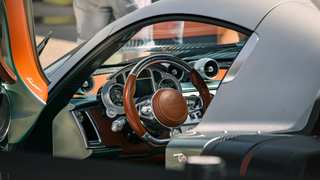
Pagani’s commitment to craftsmanship is legendary, and the Utopia is no exception. The interior is a symphony of bespoke materials, meticulously sculpted details, and exposed mechanical components. The visible gearbox linkage and the analog dials evoke a sense of mechanical theater. The exterior design, while evolutionary, is a masterpiece of aerodynamic sculpture, with the iconic Pagani active rear wing playing a crucial role in downforce generation. The Italian supercar craftsmanship is on full display.
Key Specifications:
Engine: 6.0L Twin-Turbo V12 (Mercedes-AMG)
Total Power Output: 864 horsepower
Transmission: 7-Speed Automated Manual
Estimated Price: Approximately $2.5 million
Rimac Nevera: The Electric Hypercar Benchmark
While this article explores the hybrid and analog trends, it’s impossible to ignore the electric revolution, spearheaded by the Rimac Nevera. It represents the pinnacle of electric hypercar performance, shattering existing records and redefining the capabilities of electric propulsion. This Rimac Nevera electric hypercar is a technological tour de force.
Unprecedented Electric Performance:
The Nevera is powered by four independent, high-performance electric motors, one at each wheel. This sophisticated all-wheel-drive system, combined with advanced torque vectoring, allows for unprecedented levels of grip and agility. The combined output is a staggering 1,914 horsepower and 1,740 lb-ft of torque, enabling the Nevera to achieve 0-100 km/h in a mind-bending 1.85 seconds. The fastest electric cars are here, and the Nevera leads the charge.
Cutting-Edge Technology and Aerodynamics:
The Nevera’s design is a perfect marriage of form and function, with its aerodynamic shape meticulously optimized for cooling and downforce. The interior is a testament to modern luxury and technology, featuring a driver-focused cockpit with a sophisticated infotainment system and advanced driver aids. The high-performance electric vehicle technology in the Nevera is truly groundbreaking.
The nearly one-meter-long, naturally aspirated V16 engine is artfully fused with three electric motors—two driving the front wheels and one at the rear. This potent hybrid powertrain generates a colossal total output of 1,775 horsepower. The immediate torque delivery from the electric assistance ensures instantaneous acceleration, eliminating any trace of lag and providing a seamlessly powerful driving experience. Enthusiasts seeking luxury hybrid hypercars will find the Tourbillon an unparalleled offering.
Koenigsegg Gemera: The Four-Seat Hyper GT Redefined
The Koenigsegg Gemera represents a radical departure from conventional supercar philosophy, blending blistering hypercar performance with the practicality of a four-seat grand tourer. It’s a testament to Christian von Koenigsegg’s visionary engineering, proving that extreme performance doesn’t necessitate compromise. This Koenigsegg Gemera hypercar redefines what a premium GT can be.
The Freevalve Powertrain Revolution:
At the heart of the Gemera lies the revolutionary TFG (Tiny Friendly Giant) engine. This 2.0-liter three-cylinder, twin-turbocharged engine, devoid of a camshaft, utilizes Koenigsegg’s patented Freevalve actuation system. This allows for infinite valve timing control, delivering an astounding 600 horsepower and 440 lb-ft of torque on its own. Paired with three electric motors—one for each rear wheel and a potent one for the front axle—the Gemera’s combined output soars to an incredible 1,700 horsepower and 2,581 lb-ft of torque. This groundbreaking hybrid engine technology sets a new standard.
Practicality Meets Hypercar Performance:
What truly sets the Gemera apart is its spacious interior, accommodating four adults in comfort. Access is facilitated by two massive, forward-opening doors. The cabin is a sanctuary of luxury, featuring advanced infotainment systems, climate control, and generous luggage space, making it ideal for long journeys. Yet, this practicality is underpinned by the Gemera’s blistering performance: a 0-100 km/h sprint in just 1.9 seconds, making it one of the fastest accelerating cars on the planet. The all-wheel drive hypercar capability ensures supreme traction and handling.
Key Specifications:
Engine: 2.0L Twin-Turbo 3-Cylinder (TFG) + 3 Electric Motors
Total Power Output: 1,700 horsepower
0-100 km/h Acceleration: 1.9 seconds
Estimated Price: Approximately $1.7 million
Aston Martin Valkyrie: Formula 1 for the Road
The Aston Martin Valkyrie is the culmination of a partnership between Aston Martin and Red Bull Racing’s legendary aerodynamicist, Adrian Newey. It’s an uncompromising pursuit of road-legal Formula 1 performance, pushing the boundaries of what’s possible in a production car. This Aston Martin Valkyrie F1-inspired machine is a true engineering marvel.
Cosworth V12 Symphony and Hybrid Augmentation:
The Valkyrie is powered by a naturally aspirated 6.5-liter V12 engine, developed in collaboration with Cosworth. This high-revving masterpiece produces an extraordinary 1,000 horsepower on its own. It’s further augmented by a Rimac-developed hybrid system, adding an additional 160 horsepower and a significant torque boost, bringing the total output to an electrifying 1,160 horsepower. The engine redlines at an astonishing 10,500 rpm, delivering a visceral auditory and tactile experience that few cars can match. The focus on naturally aspirated V12 engines is a key differentiator for this automotive icon.
Radical Aerodynamics and Featherlight Construction:
The Valkyrie’s design is dictated by extreme aerodynamic efficiency. Its minimalist, lightweight construction utilizes extensive carbon fiber, resulting in a dry weight of just 1,000 kg. The bodywork is sculpted to channel air effectively, generating immense downforce and providing unparalleled grip. The cockpit, a snug two-seater affair, offers a commanding driving position with all controls intuitively placed. The lightweight supercar construction is critical to its performance envelope.
Key Specifications:
Engine: 6.5L Naturally Aspirated V12 + Hybrid System
Total Power Output: 1,160 horsepower
0-100 km/h Acceleration: Approx. 2.5 seconds
Estimated Price: Approximately $3 million
Pagani Utopia: A Timeless Tribute to Analog Purity
In an era dominated by hybrid powertrains and digital interfaces, Pagani remains a steadfast bastion of analog automotive artistry. The Utopia, replacing the Huayra, is a profound celebration of mechanical purity, eschewing electrification in favor of a potent V12 and a manual transmission. This Pagani Utopia manual supercar is a dream for driving purists.
Mercedes-AMG’s Naturally Aspirated V12 Heartbeat:
Underpinning the Utopia is a bespoke 6.0-liter twin-turbocharged V12 engine developed by Mercedes-AMG. This powerhouse delivers a formidable 864 horsepower and 811 lb-ft of torque. Crucially, it’s exclusively mated to a seven-speed automated manual transmission crafted by Xtrac, offering a truly engaging and involving driving experience. This choice emphasizes pure driving experience supercars.
Artistry in Every Detail:
Pagani’s commitment to craftsmanship is legendary, and the Utopia is no exception. The interior is a symphony of bespoke materials, meticulously sculpted details, and exposed mechanical components. The visible gearbox linkage and the analog dials evoke a sense of mechanical theater. The exterior design, while evolutionary, is a masterpiece of aerodynamic sculpture, with the iconic Pagani active rear wing playing a crucial role in downforce generation. The Italian supercar craftsmanship is on full display.
Key Specifications:
Engine: 6.0L Twin-Turbo V12 (Mercedes-AMG)
Total Power Output: 864 horsepower
Transmission: 7-Speed Automated Manual
Estimated Price: Approximately $2.5 million
Rimac Nevera: The Electric Hypercar Benchmark
While this article explores the hybrid and analog trends, it’s impossible to ignore the electric revolution, spearheaded by the Rimac Nevera. It represents the pinnacle of electric hypercar performance, shattering existing records and redefining the capabilities of electric propulsion. This Rimac Nevera electric hypercar is a technological tour de force.
Unprecedented Electric Performance:
The Nevera is powered by four independent, high-performance electric motors, one at each wheel. This sophisticated all-wheel-drive system, combined with advanced torque vectoring, allows for unprecedented levels of grip and agility. The combined output is a staggering 1,914 horsepower and 1,740 lb-ft of torque, enabling the Nevera to achieve 0-100 km/h in a mind-bending 1.85 seconds. The fastest electric cars are here, and the Nevera leads the charge.
Cutting-Edge Technology and Aerodynamics:
The Nevera’s design is a perfect marriage of form and function, with its aerodynamic shape meticulously optimized for cooling and downforce. The interior is a testament to modern luxury and technology, featuring a driver-focused cockpit with a sophisticated infotainment system and advanced driver aids. The high-performance electric vehicle technology in the Nevera is truly groundbreaking.
 Key Specifications:
Powertrain: Quad Electric Motors
Total Power Output: 1,914 horsepower
0-100 km/h Acceleration: 1.85 seconds
Estimated Price: Approximately $2.4 million
Hennessey Venom F5 Revolution: Uncompromising American Power
John Hennessey’s relentless pursuit of extreme speed is embodied in the Venom F5. This American-made hypercar is designed for one purpose: to shatter speed records. The Venom F5 Revolution takes this philosophy further, incorporating track-focused enhancements for an even more potent performance machine. This American hypercar is a testament to raw power.
The Fury of the Fury V8:
At the heart of the Venom F5 beats the “Fury,” a bespoke 6.6-liter twin-turbocharged V8 engine. This monstrous powerplant produces an astounding 1,817 horsepower. The F5 Revolution variant features a lighter, more track-oriented construction, including a revised aerodynamics package with a large rear wing and aggressive diffusers, as well as upgraded suspension and braking systems. The focus on extreme horsepower cars is a defining characteristic.
Blistering Speed and Track Dominance:
The Venom F5 is engineered to exceed 311 mph (500 km/h), aiming to become the world’s fastest production car. The Revolution model, while retaining its top-speed aspirations, prioritizes track capability. Its carbon-fiber construction, advanced suspension, and high-performance brakes ensure it can handle extreme G-forces and deliver exhilarating track day experiences. The high-speed supercar capabilities are truly remarkable.
Key Specifications:
Engine: 6.6L Twin-Turbo V8 (Fury)
Total Power Output: 1,817 horsepower
Top Speed Target: Over 311 mph (500 km/h)
Estimated Price: Approximately $3 million
Gordon Murray Automotive T.50: The Ultimate Driver’s Car
Sir Gordon Murray, the legendary designer behind the McLaren F1, returns with the T.50, a supercar meticulously engineered around the driver. It’s a spiritual successor to the F1, prioritizing purity, lightweight construction, and an unparalleled driving experience. This Gordon Murray T.50 driver’s car is a modern legend in the making.
Naturally Aspirated V12 Symphony and Fan-Assisted Aerodynamics:
The T.50 boasts a naturally aspirated 4.0-liter V12 engine developed by Cosworth, revving to an astonishing 12,100 rpm and producing 654 horsepower. However, its unique selling proposition is its innovative fan-assisted aerodynamics. A 400mm fan at the rear, inspired by the Brabham BT46B Formula 1 car, generates immense downforce, allowing for a lightweight chassis and a purer driving experience. This fan car technology is revolutionary.
Lightweight Purity and Analog Connection:
Weighing in at a mere 986 kg, the T.50 is one of the lightest supercars ever produced. The central driving position, reminiscent of the F1, offers an unparalleled sense of connection and control. The interior is a minimalist sanctuary, featuring analog dials and a manual gearbox, reinforcing the car’s commitment to an unadulterated driving experience. The lightweight hypercar philosophy is central to its design.
Key Specifications:
Engine: 4.0L Naturally Aspirated V12 (Cosworth)
Power Output: 654 horsepower
Weight: 986 kg
Estimated Price: Approximately $3 million
Czinger 21C: The 3D-Printed Hypercar Revolution
The Czinger 21C represents a bold leap into the future of automotive manufacturing, utilizing cutting-edge 3D printing technology to create a hypercar that is both radically designed and exceptionally performant. This 3D printed supercar is a glimpse into the future of automotive production.
Hybrid Power with Lightweight Construction:
The 21C is powered by a hybrid powertrain featuring a 2.88-liter twin-turbocharged V8 engine paired with two electric motors on the front axle. This combination delivers a substantial 1,250 horsepower. What sets it apart is its construction: key components are 3D printed from advanced alloys and composites, allowing for intricate geometries and significant weight reduction. The advanced manufacturing automotive processes used are truly innovative.
Radical Design and Performance Metrics:
The 21C’s design is undeniably striking, with its narrow, tandem seating configuration and aggressive aerodynamic elements. It is engineered for extreme performance, boasting a targeted 0-100 km/h sprint in under two seconds and a top speed exceeding 250 mph (400 km/h). The next-generation hypercar is pushing boundaries in every conceivable way.
Key Specifications:
Powertrain: 2.88L Twin-Turbo V8 + 2 Electric Motors
Total Power Output: 1,250 horsepower
0-100 km/h Acceleration: Under 2 seconds
Estimated Price: Approximately $1.7 million
This new epoch of supercars, characterized by the astonishing advancements in hybrid technology and the enduring appeal of analog purity, presents a thrilling landscape for enthusiasts and collectors alike. Whether you are drawn to the relentless power of electrification or the visceral connection of mechanical precision, the future of the supercar has never been more exciting.
Key Specifications:
Powertrain: Quad Electric Motors
Total Power Output: 1,914 horsepower
0-100 km/h Acceleration: 1.85 seconds
Estimated Price: Approximately $2.4 million
Hennessey Venom F5 Revolution: Uncompromising American Power
John Hennessey’s relentless pursuit of extreme speed is embodied in the Venom F5. This American-made hypercar is designed for one purpose: to shatter speed records. The Venom F5 Revolution takes this philosophy further, incorporating track-focused enhancements for an even more potent performance machine. This American hypercar is a testament to raw power.
The Fury of the Fury V8:
At the heart of the Venom F5 beats the “Fury,” a bespoke 6.6-liter twin-turbocharged V8 engine. This monstrous powerplant produces an astounding 1,817 horsepower. The F5 Revolution variant features a lighter, more track-oriented construction, including a revised aerodynamics package with a large rear wing and aggressive diffusers, as well as upgraded suspension and braking systems. The focus on extreme horsepower cars is a defining characteristic.
Blistering Speed and Track Dominance:
The Venom F5 is engineered to exceed 311 mph (500 km/h), aiming to become the world’s fastest production car. The Revolution model, while retaining its top-speed aspirations, prioritizes track capability. Its carbon-fiber construction, advanced suspension, and high-performance brakes ensure it can handle extreme G-forces and deliver exhilarating track day experiences. The high-speed supercar capabilities are truly remarkable.
Key Specifications:
Engine: 6.6L Twin-Turbo V8 (Fury)
Total Power Output: 1,817 horsepower
Top Speed Target: Over 311 mph (500 km/h)
Estimated Price: Approximately $3 million
Gordon Murray Automotive T.50: The Ultimate Driver’s Car
Sir Gordon Murray, the legendary designer behind the McLaren F1, returns with the T.50, a supercar meticulously engineered around the driver. It’s a spiritual successor to the F1, prioritizing purity, lightweight construction, and an unparalleled driving experience. This Gordon Murray T.50 driver’s car is a modern legend in the making.
Naturally Aspirated V12 Symphony and Fan-Assisted Aerodynamics:
The T.50 boasts a naturally aspirated 4.0-liter V12 engine developed by Cosworth, revving to an astonishing 12,100 rpm and producing 654 horsepower. However, its unique selling proposition is its innovative fan-assisted aerodynamics. A 400mm fan at the rear, inspired by the Brabham BT46B Formula 1 car, generates immense downforce, allowing for a lightweight chassis and a purer driving experience. This fan car technology is revolutionary.
Lightweight Purity and Analog Connection:
Weighing in at a mere 986 kg, the T.50 is one of the lightest supercars ever produced. The central driving position, reminiscent of the F1, offers an unparalleled sense of connection and control. The interior is a minimalist sanctuary, featuring analog dials and a manual gearbox, reinforcing the car’s commitment to an unadulterated driving experience. The lightweight hypercar philosophy is central to its design.
Key Specifications:
Engine: 4.0L Naturally Aspirated V12 (Cosworth)
Power Output: 654 horsepower
Weight: 986 kg
Estimated Price: Approximately $3 million
Czinger 21C: The 3D-Printed Hypercar Revolution
The Czinger 21C represents a bold leap into the future of automotive manufacturing, utilizing cutting-edge 3D printing technology to create a hypercar that is both radically designed and exceptionally performant. This 3D printed supercar is a glimpse into the future of automotive production.
Hybrid Power with Lightweight Construction:
The 21C is powered by a hybrid powertrain featuring a 2.88-liter twin-turbocharged V8 engine paired with two electric motors on the front axle. This combination delivers a substantial 1,250 horsepower. What sets it apart is its construction: key components are 3D printed from advanced alloys and composites, allowing for intricate geometries and significant weight reduction. The advanced manufacturing automotive processes used are truly innovative.
Radical Design and Performance Metrics:
The 21C’s design is undeniably striking, with its narrow, tandem seating configuration and aggressive aerodynamic elements. It is engineered for extreme performance, boasting a targeted 0-100 km/h sprint in under two seconds and a top speed exceeding 250 mph (400 km/h). The next-generation hypercar is pushing boundaries in every conceivable way.
Key Specifications:
Powertrain: 2.88L Twin-Turbo V8 + 2 Electric Motors
Total Power Output: 1,250 horsepower
0-100 km/h Acceleration: Under 2 seconds
Estimated Price: Approximately $1.7 million
This new epoch of supercars, characterized by the astonishing advancements in hybrid technology and the enduring appeal of analog purity, presents a thrilling landscape for enthusiasts and collectors alike. Whether you are drawn to the relentless power of electrification or the visceral connection of mechanical precision, the future of the supercar has never been more exciting.
 The automotive world is constantly evolving, and staying ahead of the curve is paramount for any serious enthusiast or collector. Explore these groundbreaking machines, understand their distinct philosophies, and consider how they might shape your own automotive journey. Discovering the supercar that perfectly aligns with your passion and performance desires is an adventure in itself.