
Unleash the Horizon: The Top 10 Pinnacle Convertibles of 2025 Redefining Open-Air Driving
In an automotive landscape increasingly defined by the hushed efficiency of electric propulsion and the detached predictability of autonomous systems, the convertible remains an enduring beacon of visceral connection. It’s a segment that, by all conventional engineering logic, shouldn’t thrive. The removal of a roof inherently compromises structural rigidity, increases weight, and disrupts aerodynamic purity. Yet, the subjective, almost primal, experience of driving a convertible – or as enthusiasts affectionately term them, cabriolets, spyders, roadsters, or Volantes – offers an unassailable allure.
Shedding the roof dismantles the barrier between the driver and the world. The palpable rush of wind, the evocative scents of nature from blooming meadows to salty sea air, and, crucially, the unadulterated symphony of the engine’s mechanical heart create a sensory immersion that no fixed-roof coupe, however refined, can ever replicate.
The 2025 model year presents an extraordinary spectrum of open-top motoring possibilities. From agile, accessible Japanese roadsters that redefine affordable exhilaration to opulent British land yachts commanding prices that rival substantial real estate, the diversity is simply breathtaking. We are witnessing a golden era of convertible technology, where retractable hardtops vanish in mere seconds, and sophisticated air management systems allow for high-speed cruising without dishevelling your carefully styled hair.
Herein lies our curated selection of the Top 10 convertible cars that epitomize the zenith of open-air automotive artistry in the current era. Each vehicle represents a unique facet of the convertible dream, blending cutting-edge engineering with the timeless romance of the open road.
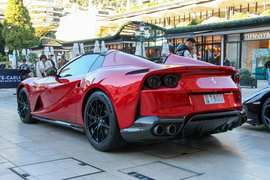
Ferrari 296 GTS: The Archetype of the Modern Super-Spider
Engine: 3.0L Twin-Turbo V6 + Electric Motor
Horsepower: 819 hp
0-60 mph: 2.9 seconds
Roof Type: Retractable Hard Top (RHT)
When the Prancing Horse decides to liberate the roof from a mid-engine supercar, the automotive world takes immediate, rapt attention. The 296 GTS (Gran Turismo Spider) is the open-air counterpart to the highly acclaimed 296 GTB, and in many respects, it arguably surpasses its sibling.
The heart of the 296 GTS’s enchantment lies within its revolutionary “Piccolo V12” engine configuration. This 120-degree V6 is a triumph of acoustic engineering. With the roof retracted and the compact rear glass window lowered, the turbocharger’s whistle and the combustion’s raw fury inundate the cabin with an unbridled, zero-interference auditory experience. The seamless transition from serene electric-only cruising (offering an impressive 15 miles of silent operation) to the ferocious onslaught of 819 horsepower is nothing short of theatrical.
Ferrari’s RHT system is a masterclass in design and functionality. Ingeniously, it splits into two sections, folding flush atop the front of the engine bay in a mere 14 seconds, operable at speeds up to 28 mph. Unlike earlier iterations of open-top supercars, the 296 GTS exhibits impeccable airflow management, allowing for coherent conversations even at elevated highway velocities. The meticulously sculpted “Aero Bridge” integrated into the rear deck ensures the car maintains its breathtaking aesthetic, whether the roof is deployed or stowed, skillfully avoiding the awkward “hunchback” profile that often afflicts mid-engine convertibles.
Why it stands out: The 296 GTS unequivocally proves that a hybrid V6 powertrain can deliver an emotional resonance equal to, if not exceeding, that of a naturally aspirated V8. It is, without question, the sharpest, most exhilarating tool in the contemporary convertible shed.
Porsche 911 Cabriolet (992 Generation): The Gold Standard of Open-Top Performance
Engine: 3.0L Twin-Turbo Flat-Six (Carrera models) / 3.7L Twin-Turbo Flat-Six (Turbo S)
Horsepower: 443 hp – 640 hp
0-60 mph: 3.5s (Carrera S) – 2.6s (Turbo S)
Roof Type: Panel Bow Soft Top
For generations, the Porsche 911 Cabriolet often bore the unfortunate stigma of being the “softer” choice, designated for drivers who prioritized leisure over uncompromising dynamic prowess. However, the current 992 generation has comprehensively eradicated that perception. Today, the 911 Cabriolet is virtually indistinguishable from its Coupe brethren in terms of sheer performance capability.
Porsche employs a distinctive technological approach for its soft top. While appearing to be conventional fabric, it is reinforced by rigid magnesium “bows” or structural panels. This innovative construction ensures that when the roof is raised, it mirrors the precise aerodynamic profile and structural integrity of a metal coupe roof. It remains taut and stable at high speeds, offering a level of security akin to a fixed roof, yet it can vanish in a remarkably swift 12 seconds.
The driving experience delivered by the 992 911 Cabriolet is nothing short of exceptional, regardless of whether one selects the highly capable base Carrera or the electrifyingly potent Turbo S. The electronically integrated wind deflector, discreetly housed behind the rear seats, deploys with a simple button press, effectively minimizing turbulence. This makes the 911 Cabriolet arguably the most usable daily convertible on the planet, capable of seamlessly transitioning from a brisk morning commute to a sun-drenched afternoon cruise, irrespective of climatic conditions.
Why it stands out: It has firmly established itself as the undisputed benchmark. If one were to select a single vehicle to own for the remainder of their driving life, and that vehicle must be a convertible, the Porsche 911 Cabriolet is unequivocally the correct and most sensible answer.
Bentley Continental GT Convertible (GTC): The Epitome of Aristocratic Grand Touring
Engine: 4.0L Twin-Turbo V8 or 6.0L Twin-Turbo W12
Horsepower: 542 hp – 650 hp
0-60 mph: 3.6 seconds
Roof Type: Z-Fold Fabric Top
While the Ferrari 296 GTS embodies pure adrenaline, the Bentley Continental GTC represents the zenith of effortless “waftability.” This is not merely a car; it’s a land yacht meticulously engineered for traversing continents in unparalleled comfort, ideally along the sun-drenched coastlines of the French Riviera.
Bentley’s newly developed “Z-fold” roof system achieves an extraordinary level of cabin quietude, rivaling that of the previous generation’s coupe. The roof incorporates an impressive seven layers of advanced insulation material, ensuring a serene environment even at speed. For those seeking a touch of bespoke elegance, a “Tweed” fabric finish is available, evoking the sophisticated ambiance of the British countryside. When the roof is down, the GTC deploys an integrated “Neck Warmer” system within the headrests, directing warm air to the occupants’ necks. Coupled with heated armrests and a heated steering wheel, this allows for comfortable top-down driving even in temperatures as low as 40°F (5°C).
The interior is a lavish tableau of exquisite leather, gleaming chrome, and rich wood veneers. The captivating rotating center display adds a touch of cinematic gadgetry. Despite its substantial curb weight of nearly 2.5 tons, the advanced 48-volt active anti-roll system masterfully maintains a level stance through corners, rendering its considerable mass seemingly obsolete with an astonishing display of grace and poise.
Why it stands out: The GTC is the ultimate expression of open-top luxury motoring. It bestows upon its occupants a palpable sense of royalty, transforming even the most mundane errand, such as a trip to the fuel station, into an occasion of distinction.
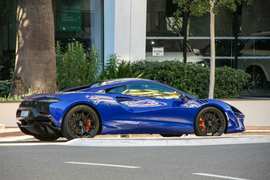
Mazda MX-5 Miata (ND3): The Undisputed King of Pure Roadster Delight
Engine: 2.0L Inline-4
Horsepower: 181 hp
 0-60 mph: 5.7 seconds
Roof Type: Manual Soft Top or RF (Retractable Fastback)
It is an immutable law of automotive journalism: no comprehensive list of the world’s best convertibles is complete without the inclusion of the Mazda Miata. The Miata’s status as the best-selling two-seater sports car in history is not an accident but a testament to its enduring appeal. In an era dominated by behemoths boasting four-figure horsepower figures, the Miata masterfully demonstrates the profound truth that less is indeed more.
The core of the Miata experience is embodied in its “Jinba Ittai” philosophy – the concept of “horse and rider as one.” This design ethos permeates every aspect of its construction. Weighing a feather-light 2,300 lbs (approximately 1,000 kg), the Miata eschews the need for overwhelming engine power or colossal braking systems. Instead, it dances on the asphalt. Its suspension is tuned to allow for a controlled amount of body roll, a deliberate characteristic that aids the driver in sensing the outer limits of grip at entirely manageable speeds, thereby enhancing the connection to the road.
While many high-performance convertibles on this list feature complex hydraulic roof mechanisms, the soft-top Miata operates with a simple, intuitive manual latch. The roof can be effortlessly lowered with a single hand, from the driver’s seat, in approximately two seconds. It is a system that is not only incredibly effective but also remarkably robust and brilliantly simple. For those desiring enhanced security and a more coupe-like silhouette, the RF (Retractable Fastback) variant offers a stunning Targa-inspired profile with a sophisticated powered hardtop.
Why it stands out: The Miata delivers the most exhilarating driving fun per dollar of any vehicle currently on sale. It serves as a poignant and joyous reminder of why we fell in love with driving in the first place.
McLaren 750S Spider: The Uncompromising Track Weapon
Engine: 4.0L Twin-Turbo V8
Horsepower: 740 hp
0-60 mph: 2.7 seconds
Roof Type: Retractable Hard Top (RHT)
McLaren’s commitment to carbon fiber construction, utilizing their advanced “Monocage II-S” structure, provides a foundational rigidity that fundamentally redefines convertible engineering. Because the carbon fiber monocoque is inherently so stiff, removing the roof necessitates no additional structural bracing. Consequently, the 750S Spider’s weight penalty over its Coupe counterpart is a mere 49 kg (108 lbs), with that increment attributed solely to the roof’s retraction mechanism.
This engineering philosophy translates into a truly remarkable driving machine. Convertibles typically incur compromises in performance and chassis responsiveness compared to their coupe counterparts. The 750S Spider, however, defies this convention. It boasts identical suspension tuning, an identical 0-60 mph acceleration time, and an identical top speed of 206 mph as the Coupe. This is a convertible engineered not just for spirited drives but for track days, capable of challenging purpose-built race cars.
The visual drama extends to its “Glazed Buttresses” – elegant, glass-inlaid aerodynamic structures behind the driver’s head. These not only enhance rearward visibility, a common challenge in many supercars, but also artfully direct airflow towards the substantial rear wing. Furthermore, the rear window can be independently lowered, irrespective of the roof’s position, allowing the intoxicating V8 soundtrack to permeate the cabin.
Why it stands out: It represents the absolute engineering pinnacle of the convertible supercar segment. It delivers unadulterated performance with a commitment to zero compromise, pushing the boundaries of what is thought possible in an open-top machine.
Aston Martin DB12 Volante: The Embodiment of the Super Tourer
Engine: 4.0L Twin-Turbo V8 (AMG-derived)
Horsepower: 671 hp
0-60 mph: 3.6 seconds
Roof Type: K-Fold Soft Top
Aston Martin proudly heralds the DB12 as the world’s first “Super Tourer,” and the Volante (the marque’s designation for a convertible) is arguably its most visually arresting iteration.
The DB12 Volante is, by many subjective opinions, the most beautiful car gracing this list. Its innovative “K-fold” roof mechanism collapses to an exceptionally low stack height of just 260mm, the lowest in its class, meticulously preserving the car’s sleek, flowing rear lines. Inside, Aston Martin has finally transitioned from its previous infotainment systems, embracing a bespoke, high-resolution digital interface. The cabin is sumptuously appointed with Bridge of Weir leather and features a premium Bowers & Wilkins audio system specifically calibrated to adjust its acoustic profile dynamically to counteract wind noise when the roof is down.
While sharing its V8 engine with Mercedes-AMG, the performance tuning is unequivocally Aston Martin. It possesses a sharper edge than a Bentley, yet offers a more compliant and comfortable ride than a Ferrari. This is a vehicle conceived for conquering the sinuous, challenging roads of the Swiss Alps and beyond.
Why it stands out: The sheer pleasure of looking back at your car after parking it is an integral part of the ownership experience, and few vehicles, if any, command as much visual admiration as the Aston Martin DB12 Volante. It is automotive art designed to be savored.
Mercedes-AMG SL 63: The Icon Reimagined with Potent Precision
Engine: 4.0L Twin-Turbo V8
Horsepower: 577 hp
0-60 mph: 3.5 seconds
Roof Type: Soft Top
The “SL” (Sport-Leicht) designation carries a legendary pedigree in the automotive world. However, the preceding generation had strayed into the territory of a heavy, somewhat unfocused cruiser. Recognizing this, Mercedes-Benz entrusted the development of the latest generation entirely to its high-performance AMG division, resulting in a triumphant return to form and a rekindling of its sporting spirit.
A significant engineering decision was the return to a classic fabric soft top, eschewing the complex and weighty electro-hydraulic retractable hardtop of previous iterations. This strategic shift not only shaved off 46 lbs (21 kg) but also crucially lowered the vehicle’s center of gravity, enhancing its dynamic capabilities. The new SL is configured as a “2+2,” incorporating compact rear seats that, while best suited for occasional use or small children, add a practical dimension absent in the strictly two-seat predecessor.
The SL 63 is a technological tour de force, featuring the AMG 4Matic+ all-wheel-drive system, a first for the SL lineage, and rear-axle steering for remarkable agility, especially given its dimensions. A particularly thoughtful innovation for open-top driving is the electrically tilting central touchscreen, which can adjust its angle from 12 to 32 degrees to mitigate sun glare when the roof is down – a nuanced detail that underscores its convertible focus.
Why it stands out: It masterfully reconciles the aggressive prowess of an AMG performance machine with the timeless elegance and glamour of the iconic SL roadsters of the 1950s, creating a compelling blend of heritage and cutting-edge capability.
Chevrolet Corvette Z06 Convertible (C8): The American Exotic Arrives with Authority
Engine: 5.5L Flat-Plane Crank V8
Horsepower: 670 hp
0-60 mph: 2.6 seconds
Roof Type: Retractable Hard Top
The Chevrolet Corvette Z06 Convertible represents the bold, assertive American challenger crashing the European supercar party. But this time, the American contender arrives not with brute force alone, but with refined precision and a sharp tactical acumen.
The auditory experience of the Corvette Z06 is, quite simply, unparalleled among convertibles available today. Its 5.5L V8 engine, capable of revving to an astonishing 8,600 RPM, produces a sound remarkably akin to that of a Ferrari 458 Italia. With the roof down, this mechanical opera is utterly intoxicating. Crucially, because the C8 Corvette was conceived from its inception as a convertible, the Z06 Convertible retains its structural integrity and suffers only a minimal weight increase of approximately 80 lbs compared to the coupe.
The value proposition is staggering. It delivers performance metrics that rival those of the McLaren 750S and Ferrari 296, yet at a significantly more accessible price point. The retractable hardtop mechanism operates flawlessly at speeds up to 30 mph, disappearing completely beneath the tonneau cover, thereby showcasing the massive, functional engine bay vents.
Why it stands out: Its thunderous V8 soundtrack, exceptional value proposition, and the sheer fact that an American-engineered vehicle now stands shoulder-to-shoulder with world-class exotics solidify its place on this esteemed list. It’s a statement of intent and a triumph of engineering.
0-60 mph: 5.7 seconds
Roof Type: Manual Soft Top or RF (Retractable Fastback)
It is an immutable law of automotive journalism: no comprehensive list of the world’s best convertibles is complete without the inclusion of the Mazda Miata. The Miata’s status as the best-selling two-seater sports car in history is not an accident but a testament to its enduring appeal. In an era dominated by behemoths boasting four-figure horsepower figures, the Miata masterfully demonstrates the profound truth that less is indeed more.
The core of the Miata experience is embodied in its “Jinba Ittai” philosophy – the concept of “horse and rider as one.” This design ethos permeates every aspect of its construction. Weighing a feather-light 2,300 lbs (approximately 1,000 kg), the Miata eschews the need for overwhelming engine power or colossal braking systems. Instead, it dances on the asphalt. Its suspension is tuned to allow for a controlled amount of body roll, a deliberate characteristic that aids the driver in sensing the outer limits of grip at entirely manageable speeds, thereby enhancing the connection to the road.
While many high-performance convertibles on this list feature complex hydraulic roof mechanisms, the soft-top Miata operates with a simple, intuitive manual latch. The roof can be effortlessly lowered with a single hand, from the driver’s seat, in approximately two seconds. It is a system that is not only incredibly effective but also remarkably robust and brilliantly simple. For those desiring enhanced security and a more coupe-like silhouette, the RF (Retractable Fastback) variant offers a stunning Targa-inspired profile with a sophisticated powered hardtop.
Why it stands out: The Miata delivers the most exhilarating driving fun per dollar of any vehicle currently on sale. It serves as a poignant and joyous reminder of why we fell in love with driving in the first place.
McLaren 750S Spider: The Uncompromising Track Weapon
Engine: 4.0L Twin-Turbo V8
Horsepower: 740 hp
0-60 mph: 2.7 seconds
Roof Type: Retractable Hard Top (RHT)
McLaren’s commitment to carbon fiber construction, utilizing their advanced “Monocage II-S” structure, provides a foundational rigidity that fundamentally redefines convertible engineering. Because the carbon fiber monocoque is inherently so stiff, removing the roof necessitates no additional structural bracing. Consequently, the 750S Spider’s weight penalty over its Coupe counterpart is a mere 49 kg (108 lbs), with that increment attributed solely to the roof’s retraction mechanism.
This engineering philosophy translates into a truly remarkable driving machine. Convertibles typically incur compromises in performance and chassis responsiveness compared to their coupe counterparts. The 750S Spider, however, defies this convention. It boasts identical suspension tuning, an identical 0-60 mph acceleration time, and an identical top speed of 206 mph as the Coupe. This is a convertible engineered not just for spirited drives but for track days, capable of challenging purpose-built race cars.
The visual drama extends to its “Glazed Buttresses” – elegant, glass-inlaid aerodynamic structures behind the driver’s head. These not only enhance rearward visibility, a common challenge in many supercars, but also artfully direct airflow towards the substantial rear wing. Furthermore, the rear window can be independently lowered, irrespective of the roof’s position, allowing the intoxicating V8 soundtrack to permeate the cabin.
Why it stands out: It represents the absolute engineering pinnacle of the convertible supercar segment. It delivers unadulterated performance with a commitment to zero compromise, pushing the boundaries of what is thought possible in an open-top machine.
Aston Martin DB12 Volante: The Embodiment of the Super Tourer
Engine: 4.0L Twin-Turbo V8 (AMG-derived)
Horsepower: 671 hp
0-60 mph: 3.6 seconds
Roof Type: K-Fold Soft Top
Aston Martin proudly heralds the DB12 as the world’s first “Super Tourer,” and the Volante (the marque’s designation for a convertible) is arguably its most visually arresting iteration.
The DB12 Volante is, by many subjective opinions, the most beautiful car gracing this list. Its innovative “K-fold” roof mechanism collapses to an exceptionally low stack height of just 260mm, the lowest in its class, meticulously preserving the car’s sleek, flowing rear lines. Inside, Aston Martin has finally transitioned from its previous infotainment systems, embracing a bespoke, high-resolution digital interface. The cabin is sumptuously appointed with Bridge of Weir leather and features a premium Bowers & Wilkins audio system specifically calibrated to adjust its acoustic profile dynamically to counteract wind noise when the roof is down.
While sharing its V8 engine with Mercedes-AMG, the performance tuning is unequivocally Aston Martin. It possesses a sharper edge than a Bentley, yet offers a more compliant and comfortable ride than a Ferrari. This is a vehicle conceived for conquering the sinuous, challenging roads of the Swiss Alps and beyond.
Why it stands out: The sheer pleasure of looking back at your car after parking it is an integral part of the ownership experience, and few vehicles, if any, command as much visual admiration as the Aston Martin DB12 Volante. It is automotive art designed to be savored.
Mercedes-AMG SL 63: The Icon Reimagined with Potent Precision
Engine: 4.0L Twin-Turbo V8
Horsepower: 577 hp
0-60 mph: 3.5 seconds
Roof Type: Soft Top
The “SL” (Sport-Leicht) designation carries a legendary pedigree in the automotive world. However, the preceding generation had strayed into the territory of a heavy, somewhat unfocused cruiser. Recognizing this, Mercedes-Benz entrusted the development of the latest generation entirely to its high-performance AMG division, resulting in a triumphant return to form and a rekindling of its sporting spirit.
A significant engineering decision was the return to a classic fabric soft top, eschewing the complex and weighty electro-hydraulic retractable hardtop of previous iterations. This strategic shift not only shaved off 46 lbs (21 kg) but also crucially lowered the vehicle’s center of gravity, enhancing its dynamic capabilities. The new SL is configured as a “2+2,” incorporating compact rear seats that, while best suited for occasional use or small children, add a practical dimension absent in the strictly two-seat predecessor.
The SL 63 is a technological tour de force, featuring the AMG 4Matic+ all-wheel-drive system, a first for the SL lineage, and rear-axle steering for remarkable agility, especially given its dimensions. A particularly thoughtful innovation for open-top driving is the electrically tilting central touchscreen, which can adjust its angle from 12 to 32 degrees to mitigate sun glare when the roof is down – a nuanced detail that underscores its convertible focus.
Why it stands out: It masterfully reconciles the aggressive prowess of an AMG performance machine with the timeless elegance and glamour of the iconic SL roadsters of the 1950s, creating a compelling blend of heritage and cutting-edge capability.
Chevrolet Corvette Z06 Convertible (C8): The American Exotic Arrives with Authority
Engine: 5.5L Flat-Plane Crank V8
Horsepower: 670 hp
0-60 mph: 2.6 seconds
Roof Type: Retractable Hard Top
The Chevrolet Corvette Z06 Convertible represents the bold, assertive American challenger crashing the European supercar party. But this time, the American contender arrives not with brute force alone, but with refined precision and a sharp tactical acumen.
The auditory experience of the Corvette Z06 is, quite simply, unparalleled among convertibles available today. Its 5.5L V8 engine, capable of revving to an astonishing 8,600 RPM, produces a sound remarkably akin to that of a Ferrari 458 Italia. With the roof down, this mechanical opera is utterly intoxicating. Crucially, because the C8 Corvette was conceived from its inception as a convertible, the Z06 Convertible retains its structural integrity and suffers only a minimal weight increase of approximately 80 lbs compared to the coupe.
The value proposition is staggering. It delivers performance metrics that rival those of the McLaren 750S and Ferrari 296, yet at a significantly more accessible price point. The retractable hardtop mechanism operates flawlessly at speeds up to 30 mph, disappearing completely beneath the tonneau cover, thereby showcasing the massive, functional engine bay vents.
Why it stands out: Its thunderous V8 soundtrack, exceptional value proposition, and the sheer fact that an American-engineered vehicle now stands shoulder-to-shoulder with world-class exotics solidify its place on this esteemed list. It’s a statement of intent and a triumph of engineering.
 Lexus LC 500 Convertible: The Avant-Garde Cruiser Crafted with Soul
Engine: 5.0L Naturally Aspirated V8
Horsepower: 471 hp
0-60 mph: 4.6 seconds
Roof Type: Soft Top
In a market saturated with turbocharged powertrains and hybrid solutions, the Lexus LC 500 Convertible stands as a unique, captivating proposition, powered by a glorious, naturally aspirated 5.0L V8. While not the quickest on this list, it is arguably the most charismatic and soul-stirring.
The LC 500’s design is so striking it appears to have transcended from a concept car studio directly into production reality. The interior is widely lauded as one of the finest in the automotive industry, characterized by flowing lines, meticulously hand-stitched leather, and substantial metal door handles that feel like sculpted works of art. To ensure the convertible body style maintains the coupe’s inherent structural solidity, Lexus engineers incorporated a robust “torsion box” at the rear and additional reinforcement beneath the chassis, creating a sense of unwavering rigidity.
This is a car designed for luxurious, unhurried cruising. The V8 engine doesn’t aggressively shout; it confidently bellows. The ride quality is remarkably supple. The integrated “Climate Concierge” system intelligently manages the air conditioning, seat heaters, neck warmers, and heated steering wheel based on the roof’s position and the ambient external temperature, ensuring perpetual comfort.
Why it stands out: It is destined to become a future classic. Its exceptional build quality, legendary Lexus reliability, and the presence of a naturally aspirated V8 engine – a dying breed – make it a truly distinctive and desirable offering in the automotive landscape.
Maserati MC20 Cielo: The Intelligent Glass Spyder
Engine: 3.0L Twin-Turbo V6 “Nettuno”
Horsepower: 621 hp
0-60 mph: 2.9 seconds
Roof Type: Glass Retractable Hard Top
Maserati aptly names its convertible offering “Cielo,” meaning “Sky” in Italian. This exceptional machine represents one of the most innovative convertible concepts of the past decade.
At the heart of its technological marvel lies a massive electrochromic (PDLC) glass panel that forms the retractable hardtop. With the simple touch of a button, this glass can transition instantaneously from crystal clear transparency to a frosted opacity. This ingenious feature allows for a light-filled cabin experience even with the roof deployed, or the ability to completely block out harsh sunlight. When the desire for open-air motoring arises, the entire glass panel retracts seamlessly in just 12 seconds.
Remarkably, the MC20 Cielo retains the dramatic “butterfly doors” that swing upward and outward, a feature often sacrificed in convertible supercars due to powertrain and hinge mechanism complexities. This design choice preserves the inherent visual drama and exotic flair associated with the MC20.
Why it stands out: It masterfully combines the inherent rigidity of a carbon fiber monocoque chassis with groundbreaking roof technology and undeniable Italian panache. It is, without reservation, Maserati’s finest automotive creation in over two decades, a testament to their enduring legacy of style and performance.
Technical Deep Dive: The Enduring Soft Top Versus the Sophisticated Hard Top
As discerning enthusiasts consider their options from this exceptional list, understanding the fundamental engineering distinctions between soft-top and retractable hard-top convertibles is crucial.
The Soft Top (Fabric)
Prime Examples: Porsche 911 Cabriolet, Bentley Continental GT Convertible, Aston Martin DB12 Volante, Mercedes-AMG SL 63.
Advantages: Generally lighter, requiring less space for storage when folded, contributing to a classic, romantic aesthetic, and often enabling faster roof operation.
Disadvantages: Can be more susceptible to vandalism, typically offers less cabin insulation against external noise (though modern advancements have dramatically improved this), and necessitates long-term care to prevent material degradation and fading.
Current Trend: The automotive industry is witnessing a resurgence in soft-top designs (as exemplified by the Mercedes-AMG SL and BMW 8 Series Convertible), driven by significant improvements in fabric technology and insulation capabilities.
The Retractable Hard Top (Metal/Glass)
Prime Examples: Ferrari 296 GTS, McLaren 750S Spider, Chevrolet Corvette Z06 Convertible, Maserati MC20 Cielo.
Advantages: Offers superior security, provides coupe-like silence and insulation, often features better rearward visibility (with integrated glass panels), and presents a visually indistinguishable coupe profile when the roof is up.
Disadvantages: Inherently heavier, incorporates complex mechanical systems with numerous moving parts, significantly encroaches upon trunk space, and can elevate the vehicle’s center of gravity.
Current Trend: This technology is now primarily reserved for mid-engine supercars, where the roof mechanism can be housed above the engine compartment rather than consuming valuable trunk space.
The Persistent Challenge: Battling “Cowl Shake”
The most formidable adversary in convertible design is the phenomenon known as “Cowl Shake,” or sometimes “Scuttle Shake.” Since the roof structure typically plays a vital role in the chassis’s overall rigidity, its removal can render the car’s frame more susceptible to torsional flex. Imagine attempting to twist an open shoe box – it deforms easily.
When a convertible encounters uneven road surfaces, such as hitting a bump or traversing railway tracks, this chassis flex can manifest as a vibrating steering column or a visibly shaking rearview mirror. This is the tell-tale sign of Cowl Shake.
The Definitive Solutions: The elite vehicles featured on this list have, through meticulous engineering, effectively conquered this challenge. McLaren, with its inherently stiff carbon fiber monocoque, achieves structural integrity without reliance on a roof. Lexus and Bentley employ substantial steel reinforcements integrated beneath the floorpan, which, while adding weight, ensure an unwavering sense of solidity.
A Crucial Buyer’s Insight: If, during a test drive of a more budget-oriented convertible, you experience noticeable shuddering in the dashboard over minor road imperfections, this indicates significant chassis flex. The Top 10 convertibles listed here represent the pinnacle of the segment precisely because they have virtually eliminated this sensation, offering a refined and stable driving experience.
Conclusion: Navigating the Spectrum of Open-Air Desire
The convertible market in 2025 is distinctly bifurcated, presenting an extraordinary array of options at the extremes of automotive performance and opulent luxury.
Should your aspiration be to experience the thrill of a Formula 1 driver during your daily commute to the grocery store, the Ferrari 296 GTS and McLaren 750S Spider stand as testaments to the absolute zenith of human automotive engineering.
For those who envision crossing continents in unparalleled serenity and comfort, the Bentley Continental GTC unequivocally remains the undisputed sovereign of grand touring convertibles.
If the pursuit is for a single, do-it-all vehicle that excels across all metrics, the Porsche 911 Cabriolet presents a faultless and supremely capable choice.
And for those who simply crave the unadulterated joy of driving, the visceral connection to the road, without necessitating a financial divestment of astronomical proportions, the enduring Mazda Miata remains the accessible hero that our driving souls have always needed.
Lexus LC 500 Convertible: The Avant-Garde Cruiser Crafted with Soul
Engine: 5.0L Naturally Aspirated V8
Horsepower: 471 hp
0-60 mph: 4.6 seconds
Roof Type: Soft Top
In a market saturated with turbocharged powertrains and hybrid solutions, the Lexus LC 500 Convertible stands as a unique, captivating proposition, powered by a glorious, naturally aspirated 5.0L V8. While not the quickest on this list, it is arguably the most charismatic and soul-stirring.
The LC 500’s design is so striking it appears to have transcended from a concept car studio directly into production reality. The interior is widely lauded as one of the finest in the automotive industry, characterized by flowing lines, meticulously hand-stitched leather, and substantial metal door handles that feel like sculpted works of art. To ensure the convertible body style maintains the coupe’s inherent structural solidity, Lexus engineers incorporated a robust “torsion box” at the rear and additional reinforcement beneath the chassis, creating a sense of unwavering rigidity.
This is a car designed for luxurious, unhurried cruising. The V8 engine doesn’t aggressively shout; it confidently bellows. The ride quality is remarkably supple. The integrated “Climate Concierge” system intelligently manages the air conditioning, seat heaters, neck warmers, and heated steering wheel based on the roof’s position and the ambient external temperature, ensuring perpetual comfort.
Why it stands out: It is destined to become a future classic. Its exceptional build quality, legendary Lexus reliability, and the presence of a naturally aspirated V8 engine – a dying breed – make it a truly distinctive and desirable offering in the automotive landscape.
Maserati MC20 Cielo: The Intelligent Glass Spyder
Engine: 3.0L Twin-Turbo V6 “Nettuno”
Horsepower: 621 hp
0-60 mph: 2.9 seconds
Roof Type: Glass Retractable Hard Top
Maserati aptly names its convertible offering “Cielo,” meaning “Sky” in Italian. This exceptional machine represents one of the most innovative convertible concepts of the past decade.
At the heart of its technological marvel lies a massive electrochromic (PDLC) glass panel that forms the retractable hardtop. With the simple touch of a button, this glass can transition instantaneously from crystal clear transparency to a frosted opacity. This ingenious feature allows for a light-filled cabin experience even with the roof deployed, or the ability to completely block out harsh sunlight. When the desire for open-air motoring arises, the entire glass panel retracts seamlessly in just 12 seconds.
Remarkably, the MC20 Cielo retains the dramatic “butterfly doors” that swing upward and outward, a feature often sacrificed in convertible supercars due to powertrain and hinge mechanism complexities. This design choice preserves the inherent visual drama and exotic flair associated with the MC20.
Why it stands out: It masterfully combines the inherent rigidity of a carbon fiber monocoque chassis with groundbreaking roof technology and undeniable Italian panache. It is, without reservation, Maserati’s finest automotive creation in over two decades, a testament to their enduring legacy of style and performance.
Technical Deep Dive: The Enduring Soft Top Versus the Sophisticated Hard Top
As discerning enthusiasts consider their options from this exceptional list, understanding the fundamental engineering distinctions between soft-top and retractable hard-top convertibles is crucial.
The Soft Top (Fabric)
Prime Examples: Porsche 911 Cabriolet, Bentley Continental GT Convertible, Aston Martin DB12 Volante, Mercedes-AMG SL 63.
Advantages: Generally lighter, requiring less space for storage when folded, contributing to a classic, romantic aesthetic, and often enabling faster roof operation.
Disadvantages: Can be more susceptible to vandalism, typically offers less cabin insulation against external noise (though modern advancements have dramatically improved this), and necessitates long-term care to prevent material degradation and fading.
Current Trend: The automotive industry is witnessing a resurgence in soft-top designs (as exemplified by the Mercedes-AMG SL and BMW 8 Series Convertible), driven by significant improvements in fabric technology and insulation capabilities.
The Retractable Hard Top (Metal/Glass)
Prime Examples: Ferrari 296 GTS, McLaren 750S Spider, Chevrolet Corvette Z06 Convertible, Maserati MC20 Cielo.
Advantages: Offers superior security, provides coupe-like silence and insulation, often features better rearward visibility (with integrated glass panels), and presents a visually indistinguishable coupe profile when the roof is up.
Disadvantages: Inherently heavier, incorporates complex mechanical systems with numerous moving parts, significantly encroaches upon trunk space, and can elevate the vehicle’s center of gravity.
Current Trend: This technology is now primarily reserved for mid-engine supercars, where the roof mechanism can be housed above the engine compartment rather than consuming valuable trunk space.
The Persistent Challenge: Battling “Cowl Shake”
The most formidable adversary in convertible design is the phenomenon known as “Cowl Shake,” or sometimes “Scuttle Shake.” Since the roof structure typically plays a vital role in the chassis’s overall rigidity, its removal can render the car’s frame more susceptible to torsional flex. Imagine attempting to twist an open shoe box – it deforms easily.
When a convertible encounters uneven road surfaces, such as hitting a bump or traversing railway tracks, this chassis flex can manifest as a vibrating steering column or a visibly shaking rearview mirror. This is the tell-tale sign of Cowl Shake.
The Definitive Solutions: The elite vehicles featured on this list have, through meticulous engineering, effectively conquered this challenge. McLaren, with its inherently stiff carbon fiber monocoque, achieves structural integrity without reliance on a roof. Lexus and Bentley employ substantial steel reinforcements integrated beneath the floorpan, which, while adding weight, ensure an unwavering sense of solidity.
A Crucial Buyer’s Insight: If, during a test drive of a more budget-oriented convertible, you experience noticeable shuddering in the dashboard over minor road imperfections, this indicates significant chassis flex. The Top 10 convertibles listed here represent the pinnacle of the segment precisely because they have virtually eliminated this sensation, offering a refined and stable driving experience.
Conclusion: Navigating the Spectrum of Open-Air Desire
The convertible market in 2025 is distinctly bifurcated, presenting an extraordinary array of options at the extremes of automotive performance and opulent luxury.
Should your aspiration be to experience the thrill of a Formula 1 driver during your daily commute to the grocery store, the Ferrari 296 GTS and McLaren 750S Spider stand as testaments to the absolute zenith of human automotive engineering.
For those who envision crossing continents in unparalleled serenity and comfort, the Bentley Continental GTC unequivocally remains the undisputed sovereign of grand touring convertibles.
If the pursuit is for a single, do-it-all vehicle that excels across all metrics, the Porsche 911 Cabriolet presents a faultless and supremely capable choice.
And for those who simply crave the unadulterated joy of driving, the visceral connection to the road, without necessitating a financial divestment of astronomical proportions, the enduring Mazda Miata remains the accessible hero that our driving souls have always needed.
 Your next step towards experiencing the ultimate open-air automotive adventure awaits. Explore these incredible machines and discover which one will liberate your horizon.