
The Supercar Renaissance: Hybrid Powerhouses Meet Analog Souls in 2025
The supercar landscape of 2025 is a captivating paradox. We stand at the precipice of automotive evolution, witnessing the birth of machines that push the boundaries of speed and performance further than ever before. Yet, in parallel, a powerful resurgence of purist, analog driving philosophies is captivating a dedicated segment of enthusiasts. This pivotal period is defined by the fusion of cutting-edge Formula 1-derived hybrid technology with a nostalgic embrace of raw, mechanical connection.
If the iconic “Holy Trinity” of hypercars – the LaFerrari, McLaren P1, and Porsche 918 Spyder – heralded the dawn of the hybrid era a decade ago, then the latest wave of supercars has amplified that technological prowess to stratospheric levels. Figures exceeding 1,000 horsepower are no longer aspirational; they are the standard. However, this technological ascendance is met by a vibrant ecosystem of independent manufacturers and specialized editions from established marques, all championing the visceral thrill of naturally aspirated V12 engines and the engagement of manual transmissions. These offerings cater to a discerning clientele who crave the unadulterated essence of driving.
This examination delves into ten of the most significant new supercar launches shaping the automotive narrative of 2025, showcasing the zenith of contemporary automotive engineering and design. These machines represent not just peak performance, but also the divergent paths the supercar world is forging.
Ferrari F80: The Emissary of Maranello’s Future
Positioned as the spiritual successor to legends like the LaFerrari, Enzo, and F40, the Ferrari F80 transcends mere speed; it is an ambitious declaration from the Prancing Horse about its trajectory. In a move that generated both debate and admiration, Ferrari has pivoted from its traditional V12 architecture, opting instead for a twin-turbocharged V6 hybrid powertrain. This radical departure draws direct inspiration and technology from the Le Mans-winning 499P race car and the Scuderia’s Formula 1 endeavors, promising an unparalleled performance experience.
Unveiling the Hybrid Heartbeat: Technology and Performance
At its core, the F80 is powered by a compact yet potent 3.0-liter V6 engine, engineered with a 120-degree angle between its banks, generating an immense 900 horsepower. This internal combustion prowess is amplified by a sophisticated hybrid system incorporating three electric motors, contributing an additional 300 horsepower. The cumulative output of a breathtaking 1,184 horsepower solidifies the F80’s status as the most powerful production Ferrari ever conceived. Acceleration is described as “physically challenging,” with the benchmark 0-100 km/h sprint achieved in a mere 2.15 seconds. The innovative Active Suspension system, powered by a 48-volt electrical architecture, independently manages each wheel. This advanced setup ensures unwavering stability and perfect poise through high-speed corners, effectively rendering traditional anti-roll bars obsolete. For those seeking the pinnacle of Ferrari hybrid hypercar performance, the F80 sets an unprecedented benchmark.
Sculpted for Velocity: Design Philosophy
The F80’s exterior is a testament to a “spaceship” design language, characterized by a slender, aircraft-like cockpit. While drawing inspiration from single-seater racers, it retains a two-seat configuration, adopting a 1+1 layout. The front fascia is distinguished by a striking horizontal black stripe, a subtle nod to the iconic Ferrari Daytona. At the rear, an active aerodynamic wing continuously adjusts its angle and height, optimizing downforce and contributing to the car’s aggressive stance. The new Ferrari supercar is a visual spectacle as much as a performance titan.
Specifications:
Engine: 3.0L Twin-Turbo V6 + 3 Electric Motors
Power: 1,184 Horsepower
0-100 km/h Acceleration: 2.15 Seconds
Estimated Price: Approximately $3.9 million
McLaren W1: The Evolution of the Ultimate Driving Machine
Positioned as the direct successor to the groundbreaking McLaren P1, the W1 arrives precisely a decade after its predecessor’s debut. Bearing the coveted “1” designation, signifying its place within McLaren’s Ultimate Series, the W1 is meticulously engineered not just for straight-line velocity, but for outright cornering supremacy. It represents the next chapter in the quest for ultimate McLaren performance.
Aerodynamics in Motion: “Race Mode” Transformation
The W1’s most captivating feature is its transformative “Race Mode.” Upon activation, the car’s ride height is dynamically lowered – by 37mm at the front and 17mm at the rear. Simultaneously, the rear wing, dubbed the “Active Long Tail,” extends rearward by up to 300mm. This dramatic metamorphosis shifts the W1’s silhouette and aerodynamic profile from a road-biased hypercar to a full-blown Le Mans-spec racer, generating an astonishing 1,000 kilograms of downforce. This is a clear indication of the advanced aerodynamic supercar technology being employed.
The Potent V8 Hybrid: Unrivaled Power Delivery
Departing from the F80’s V6 configuration, the McLaren W1 remains loyal to a powerful, all-new 4.0-liter twin-turbocharged V8 engine. This potent powerplant is seamlessly integrated with a lightweight electric drive module (E-module). The combined output reaches a formidable 1,258 horsepower, crowning the W1 as the most powerful McLaren road car ever produced. In a testament to its extreme engineering, all this power is channeled exclusively to the rear wheels, demanding an exceptionally sophisticated traction control system to manage its colossal output. For enthusiasts seeking rear-wheel-drive hypercar thrills, the W1 offers an uncompromising experience.
Specifications:
Engine: 4.0L Twin-Turbo V8 + E-Module
Power: 1,258 Horsepower
0-100 km/h Acceleration: 2.7 Seconds
Estimated Price: Approximately $2.1 million
Bugatti Tourbillon: A Symphony of Mechanical Artistry
Stepping into a distinct realm of automotive engineering, the Bugatti Tourbillon arrives as the successor to the Chiron, redefining luxury and performance with a bold, analog-centric vision. While the broader industry trend leans towards engine downsizing and turbocharging, Bugatti has charted a courageous, counter-current course. They have bid farewell to the legendary quad-turbocharged W16 engine, replacing it with a naturally aspirated, colossal 8.3-liter V16. The Tourbillon is more than just a car; it’s a multi-million-dollar mechanical timepiece that happens to move with astonishing alacrity. This is a prime example of hypercar engineering innovation taking a different path.
An Analog Sanctuary in a Digital Epoch: The Interior
The very name “Tourbillon” evokes the pinnacle of horological complexity, and this influence is profoundly evident within the car’s cabin. The central instrument cluster is a masterpiece of design and engineering: meticulously crafted from titanium and sapphire, it operates entirely mechanically, eschewing any digital displays. Its hands sweep and move with the precision of a high-end Swiss watch, directly before the driver’s eyes. The steering wheel is equally distinctive, featuring a fixed hub while the rim rotates around the instrument display, ensuring an unimpeded view of the intricate mechanical spectacle. This focus on analog supercar interiors sets it apart.
The Hybrid V16 Powerhouse: Unbridled Horsepower
The nearly one-meter-long, naturally aspirated V16 engine forms the heart of the Tourbillon’s powertrain. It is augmented by three electric motors – two positioned at the front axle and one at the rear – contributing to a combined output of an astounding 1,775 horsepower. This electric assistance provides instantaneous torque delivery, eliminating any trace of lag and contributing to the car’s breathtaking acceleration. For those interested in new Bugatti models and their unique approach, the Tourbillon is a revelation.
Specifications:
 Engine: 8.3L Naturally Aspirated V16 + 3 Electric Motors
Power: 1,775 Horsepower
0-100 km/h Acceleration: Estimated 2.0 seconds
Estimated Price: Approximately $4 million
Koenigsegg Gemera: The Quad-Seat Hyper GT
The Koenigsegg Gemera redefines the hypercar segment by offering a unique blend of blistering performance and practical usability. It is the world’s first four-seater “Mega-GT,” proving that extreme speed doesn’t necessitate sacrificing passenger capacity or creature comforts. This vehicle stands as a testament to innovative automotive design and engineering for everyday supercar ownership.
The “Tiny Friendly Giant”: Powertrain Innovation
At the heart of the Gemera lies Koenigsegg’s revolutionary 2.0-liter, three-cylinder “Tiny Friendly Giant” (TFG) engine. This compact powerhouse utilizes camless valve actuation and is boosted by two small turbos, producing an impressive 600 horsepower. However, the Gemera’s true potency comes from its four electric motors – one for each wheel. Together with the TFG engine, the total output surges to an astonishing 1,700 horsepower and 3,500 Nm of torque. This sophisticated powertrain offers various driving modes, including a pure electric mode for silent urban cruising and a full-attack “power mode.” The pursuit of sustainable hypercar technology is evident here.
Designed for Life’s Adventures: Interior and Practicality
Beyond its performance credentials, the Gemera is designed for life’s adventures. The spacious interior comfortably accommodates four adults, featuring heated and ventilated seats, a premium sound system, and even cup holders. The doors open upwards in the signature dihedral synchro-helix actuation style, providing easy ingress and egress. Luggage space is also surprisingly generous for a hypercar, with dedicated compartments in both the front and rear. This focus on practical supercar solutions makes the Gemera a standout.
Specifications:
Engine: 2.0L Twin-Turbo 3-Cylinder + 4 Electric Motors
Power: 1,700 Horsepower
0-100 km/h Acceleration: 1.9 Seconds
Estimated Price: Approximately $1.7 million
Aston Martin Valkyrie AMR Pro: The Track-Focused Apex Predator
The Aston Martin Valkyrie AMR Pro is not merely a road car homologated for the track; it is a purpose-built racing machine that eschews road legality for ultimate circuit performance. Developed in collaboration with Red Bull Racing, it embodies the pinnacle of track-focused hypercars and cutting-edge aerodynamic engineering.
Aerodynamic Prowess: The Secret to its Speed
The AMR Pro’s design is dominated by extreme aerodynamic elements. The sculpted underbody generates immense downforce, and the colossal rear diffuser works in tandem with the aggressive rear wing. The front end features a distinctive intake and a sculpted nose cone designed to channel air efficiently. The car’s overall form is dictated by the relentless pursuit of aerodynamic efficiency, allowing it to generate downforce levels that rival those of Formula 1 cars. This showcases the importance of next-generation aerodynamics in automotive design.
The Mighty Cosworth V12: Unadulterated Naturally Aspirated Power
Powering the Valkyrie AMR Pro is a breathtaking 6.5-liter naturally aspirated V12 engine developed by Cosworth. This engine is a masterpiece of internal combustion, revving to an astonishing 11,100 rpm and producing over 1,000 horsepower on its own. While a hybrid system is present, its primary function is to boost performance rather than provide silent cruising capability. The raw, unfiltered sound and feel of this V12 are central to the Valkyrie experience, offering a pure connection to naturally aspirated V12 engines.
Specifications:
Engine: 6.5L Naturally Aspirated V12 (with hybrid assist)
Power: 1,160 Horsepower
0-100 km/h Acceleration: Estimated 2.5 seconds
Estimated Price: Approximately $3.5 million
Rimac Nevera: The Electric Hypercar Revolution Continues
The Rimac Nevera continues to solidify its position as the benchmark for electric hypercars, pushing the boundaries of what’s possible with pure electric propulsion. It’s a testament to electric supercar performance and technological advancement from a relatively new but highly ambitious manufacturer.
Instant Torque, Infinite Thrills: The Electric Powertrain
The Nevera is equipped with four independent electric motors, one at each wheel, delivering a combined output of 1,914 horsepower and 2,360 Nm of torque. This all-wheel-drive setup allows for instant torque vectoring, providing unparalleled grip and agility. The acceleration is simply mind-bending, with 0-100 km/h dispatched in an astonishing 1.85 seconds. Its top speed of 412 km/h (258 mph) makes it one of the fastest production cars in the world, regardless of powertrain. The pursuit of EV performance milestones is clearly demonstrated.
Sophistication Meets Simplicity: Interior and Technology
Inside, the Nevera offers a surprisingly refined and technologically advanced cabin. High-resolution digital displays present all necessary information, and the user interface is intuitive. Despite its extreme performance, the Nevera is designed to be usable and comfortable, with advanced driver-assistance systems and a luxurious interior. Rimac’s dedication to advanced EV technology is evident throughout.
Specifications:
Engine: Four Electric Motors
Power: 1,914 Horsepower
0-100 km/h Acceleration: 1.85 Seconds
Top Speed: 412 km/h (258 mph)
Estimated Price: Approximately $2.2 million
Pagani Huayra R: The Purity of Naturally Aspirated Power
The Pagani Huayra R represents Horacio Pagani’s unwavering commitment to the visceral, analog driving experience. It is a track-focused masterpiece that deliberately eschews hybrid powertrains and electronic driver aids in favor of a pure, naturally aspirated V12 symphony. This is a significant contender in the analog supercar revival.
The Soul of the V12: The Track-Focused Engine
At the heart of the Huayra R lies a bespoke 6.0-liter naturally aspirated V12 engine developed in collaboration with HWA AG. This engine produces a soaring 850 horsepower and revs to a magnificent 9,000 rpm, delivering its power through a bespoke six-speed sequential gearbox. The absence of forced induction and hybrid systems means the driver is directly connected to the engine’s output, experiencing every nuance of its power delivery. This dedication to naturally aspirated engine superiority is a core tenet for Pagani enthusiasts.
Artistry in Motion: Design and Craftsmanship
Engine: 8.3L Naturally Aspirated V16 + 3 Electric Motors
Power: 1,775 Horsepower
0-100 km/h Acceleration: Estimated 2.0 seconds
Estimated Price: Approximately $4 million
Koenigsegg Gemera: The Quad-Seat Hyper GT
The Koenigsegg Gemera redefines the hypercar segment by offering a unique blend of blistering performance and practical usability. It is the world’s first four-seater “Mega-GT,” proving that extreme speed doesn’t necessitate sacrificing passenger capacity or creature comforts. This vehicle stands as a testament to innovative automotive design and engineering for everyday supercar ownership.
The “Tiny Friendly Giant”: Powertrain Innovation
At the heart of the Gemera lies Koenigsegg’s revolutionary 2.0-liter, three-cylinder “Tiny Friendly Giant” (TFG) engine. This compact powerhouse utilizes camless valve actuation and is boosted by two small turbos, producing an impressive 600 horsepower. However, the Gemera’s true potency comes from its four electric motors – one for each wheel. Together with the TFG engine, the total output surges to an astonishing 1,700 horsepower and 3,500 Nm of torque. This sophisticated powertrain offers various driving modes, including a pure electric mode for silent urban cruising and a full-attack “power mode.” The pursuit of sustainable hypercar technology is evident here.
Designed for Life’s Adventures: Interior and Practicality
Beyond its performance credentials, the Gemera is designed for life’s adventures. The spacious interior comfortably accommodates four adults, featuring heated and ventilated seats, a premium sound system, and even cup holders. The doors open upwards in the signature dihedral synchro-helix actuation style, providing easy ingress and egress. Luggage space is also surprisingly generous for a hypercar, with dedicated compartments in both the front and rear. This focus on practical supercar solutions makes the Gemera a standout.
Specifications:
Engine: 2.0L Twin-Turbo 3-Cylinder + 4 Electric Motors
Power: 1,700 Horsepower
0-100 km/h Acceleration: 1.9 Seconds
Estimated Price: Approximately $1.7 million
Aston Martin Valkyrie AMR Pro: The Track-Focused Apex Predator
The Aston Martin Valkyrie AMR Pro is not merely a road car homologated for the track; it is a purpose-built racing machine that eschews road legality for ultimate circuit performance. Developed in collaboration with Red Bull Racing, it embodies the pinnacle of track-focused hypercars and cutting-edge aerodynamic engineering.
Aerodynamic Prowess: The Secret to its Speed
The AMR Pro’s design is dominated by extreme aerodynamic elements. The sculpted underbody generates immense downforce, and the colossal rear diffuser works in tandem with the aggressive rear wing. The front end features a distinctive intake and a sculpted nose cone designed to channel air efficiently. The car’s overall form is dictated by the relentless pursuit of aerodynamic efficiency, allowing it to generate downforce levels that rival those of Formula 1 cars. This showcases the importance of next-generation aerodynamics in automotive design.
The Mighty Cosworth V12: Unadulterated Naturally Aspirated Power
Powering the Valkyrie AMR Pro is a breathtaking 6.5-liter naturally aspirated V12 engine developed by Cosworth. This engine is a masterpiece of internal combustion, revving to an astonishing 11,100 rpm and producing over 1,000 horsepower on its own. While a hybrid system is present, its primary function is to boost performance rather than provide silent cruising capability. The raw, unfiltered sound and feel of this V12 are central to the Valkyrie experience, offering a pure connection to naturally aspirated V12 engines.
Specifications:
Engine: 6.5L Naturally Aspirated V12 (with hybrid assist)
Power: 1,160 Horsepower
0-100 km/h Acceleration: Estimated 2.5 seconds
Estimated Price: Approximately $3.5 million
Rimac Nevera: The Electric Hypercar Revolution Continues
The Rimac Nevera continues to solidify its position as the benchmark for electric hypercars, pushing the boundaries of what’s possible with pure electric propulsion. It’s a testament to electric supercar performance and technological advancement from a relatively new but highly ambitious manufacturer.
Instant Torque, Infinite Thrills: The Electric Powertrain
The Nevera is equipped with four independent electric motors, one at each wheel, delivering a combined output of 1,914 horsepower and 2,360 Nm of torque. This all-wheel-drive setup allows for instant torque vectoring, providing unparalleled grip and agility. The acceleration is simply mind-bending, with 0-100 km/h dispatched in an astonishing 1.85 seconds. Its top speed of 412 km/h (258 mph) makes it one of the fastest production cars in the world, regardless of powertrain. The pursuit of EV performance milestones is clearly demonstrated.
Sophistication Meets Simplicity: Interior and Technology
Inside, the Nevera offers a surprisingly refined and technologically advanced cabin. High-resolution digital displays present all necessary information, and the user interface is intuitive. Despite its extreme performance, the Nevera is designed to be usable and comfortable, with advanced driver-assistance systems and a luxurious interior. Rimac’s dedication to advanced EV technology is evident throughout.
Specifications:
Engine: Four Electric Motors
Power: 1,914 Horsepower
0-100 km/h Acceleration: 1.85 Seconds
Top Speed: 412 km/h (258 mph)
Estimated Price: Approximately $2.2 million
Pagani Huayra R: The Purity of Naturally Aspirated Power
The Pagani Huayra R represents Horacio Pagani’s unwavering commitment to the visceral, analog driving experience. It is a track-focused masterpiece that deliberately eschews hybrid powertrains and electronic driver aids in favor of a pure, naturally aspirated V12 symphony. This is a significant contender in the analog supercar revival.
The Soul of the V12: The Track-Focused Engine
At the heart of the Huayra R lies a bespoke 6.0-liter naturally aspirated V12 engine developed in collaboration with HWA AG. This engine produces a soaring 850 horsepower and revs to a magnificent 9,000 rpm, delivering its power through a bespoke six-speed sequential gearbox. The absence of forced induction and hybrid systems means the driver is directly connected to the engine’s output, experiencing every nuance of its power delivery. This dedication to naturally aspirated engine superiority is a core tenet for Pagani enthusiasts.
Artistry in Motion: Design and Craftsmanship
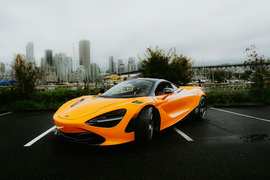 The Huayra R is a stunning example of Pagani’s renowned craftsmanship. Its aerodynamic design is functional yet breathtakingly beautiful, with flowing lines and intricate details. The interior is a work of art, showcasing exquisite materials, hand-stitched leather, and bespoke carbon fiber elements. Every component is meticulously crafted, reflecting Pagani’s philosophy of creating automotive art. The pursuit of automotive craftsmanship and art is paramount.
Specifications:
Engine: 6.0L Naturally Aspirated V12
Power: 850 Horsepower
0-100 km/h Acceleration: Estimated 2.8 seconds
Estimated Price: Approximately $3.1 million
Hennessey Venom F5 Revolution: American Muscle Reimagined
The Hennessey Venom F5 Revolution is an unadulterated celebration of American performance, taking the already formidable Venom F5 and transforming it into an even more track-focused machine. It embodies the spirit of American supercar innovation with a relentless pursuit of extreme speed.
Unleashing American Horsepower: The Twin-Turbo V8
The Venom F5 Revolution is powered by Hennessey’s in-house developed “Fury” engine, a 6.6-liter twin-turbocharged V8. This powerhouse churns out an astonishing 1,817 horsepower. The Revolution variant features a dedicated track-focused aerodynamic package, including a large rear wing, front splitter, and dive planes, all designed to maximize downforce and stability at extreme speeds. The focus here is on high-performance American sports cars.
Built for the Track: Enhanced Dynamics
The Revolution model receives significant chassis and suspension upgrades to optimize its track performance. These include revised suspension geometry, stiffer springs, and upgraded brakes. The steering has also been retuned for greater responsiveness. Hennessey’s aim is to create a hypercar that can not only achieve record-breaking speeds but also be a formidable competitor on the racetrack. This is about track day hypercars built for pure driving engagement.
Specifications:
Engine: 6.6L Twin-Turbo V8
Power: 1,817 Horsepower
0-100 km/h Acceleration: Estimated 2.6 seconds
Top Speed: Over 311 mph (500 km/h)
Estimated Price: Approximately $3 million
Gordon Murray Automotive T.50: The Analog Supercar Kingpin
Sir Gordon Murray’s T.50 is arguably the purest distillation of analog supercar philosophy. Inspired by the legendary McLaren F1, it prioritizes driver connection, lightweight construction, and a naturally aspirated V12 engine above all else. It stands as a pinnacle for classic supercar revival enthusiasts.
The Sound of Purity: A Naturally Aspirated Masterpiece
The T.50 features a bespoke 3.9-liter Cosworth V12 engine that screams to an astronomical 12,100 rpm, producing 654 horsepower. While this figure might seem modest compared to some hybrids, the T.50’s ethos is about a featherlight 986 kg curb weight and an immersive driving experience. The engine’s sound and responsiveness are paramount, offering an unadulterated connection to the mechanical heart of the car. This is a celebration of lightweight performance vehicles.
The Fan Car Advantage: Unique Aerodynamics
A standout feature of the T.50 is its 400mm rear fan, inspired by the Brabham BT46B Formula 1 car. This fan actively manages airflow beneath the car, generating significant downforce without the need for bulky wings. This allows for a cleaner, more elegant design and contributes to the car’s exceptional agility. This innovative approach to ground effect aerodynamics is a hallmark.
Specifications:
Engine: 3.9L Naturally Aspirated V12
Power: 654 Horsepower
0-100 km/h Acceleration: Estimated 2.9 seconds
Curb Weight: 986 kg
Estimated Price: Approximately $3 million
Czinger 21C: The Future of Hypercar Manufacturing
The Czinger 21C represents a bold leap into the future of automotive manufacturing, utilizing cutting-edge technology like 3D printing and advanced AI-driven design. It’s a high-performance machine that showcases next-generation automotive technology.
Hybrid Power and AI-Optimized Design
The 21C boasts a hybrid powertrain combining a 2.88-liter twin-turbo V8 engine with two electric motors, delivering a combined output of 1,250 horsepower. What sets it apart is its construction: key components are 3D-printed using advanced alloys, allowing for complex geometries and optimal strength-to-weight ratios. AI is used extensively in the design process to optimize performance and efficiency. This is a prime example of 3D printed automotive components.
Aerodynamic Prowess for Peak Performance
The 21C’s design is heavily influenced by aerodynamic requirements, featuring a long tail and a prominent rear wing for maximum downforce. The single-seat cockpit, with a central driving position, further enhances its track-focused capabilities. Czinger aims to create a hypercar that is not only incredibly fast but also a showcase of how advanced manufacturing techniques can redefine supercar capabilities. The future of performance vehicle innovation is on full display.
Specifications:
Engine: 2.88L Twin-Turbo V8 + 2 Electric Motors
Power: 1,250 Horsepower
0-100 km/h Acceleration: Estimated 1.9 seconds
Estimated Price: Approximately $2 million
The supercar landscape of 2025 is more dynamic and exciting than ever. Whether your passion lies with the electrifying surge of hybrid power or the raw, unadulterated connection of analog machinery, there is a new benchmark being set.
The Huayra R is a stunning example of Pagani’s renowned craftsmanship. Its aerodynamic design is functional yet breathtakingly beautiful, with flowing lines and intricate details. The interior is a work of art, showcasing exquisite materials, hand-stitched leather, and bespoke carbon fiber elements. Every component is meticulously crafted, reflecting Pagani’s philosophy of creating automotive art. The pursuit of automotive craftsmanship and art is paramount.
Specifications:
Engine: 6.0L Naturally Aspirated V12
Power: 850 Horsepower
0-100 km/h Acceleration: Estimated 2.8 seconds
Estimated Price: Approximately $3.1 million
Hennessey Venom F5 Revolution: American Muscle Reimagined
The Hennessey Venom F5 Revolution is an unadulterated celebration of American performance, taking the already formidable Venom F5 and transforming it into an even more track-focused machine. It embodies the spirit of American supercar innovation with a relentless pursuit of extreme speed.
Unleashing American Horsepower: The Twin-Turbo V8
The Venom F5 Revolution is powered by Hennessey’s in-house developed “Fury” engine, a 6.6-liter twin-turbocharged V8. This powerhouse churns out an astonishing 1,817 horsepower. The Revolution variant features a dedicated track-focused aerodynamic package, including a large rear wing, front splitter, and dive planes, all designed to maximize downforce and stability at extreme speeds. The focus here is on high-performance American sports cars.
Built for the Track: Enhanced Dynamics
The Revolution model receives significant chassis and suspension upgrades to optimize its track performance. These include revised suspension geometry, stiffer springs, and upgraded brakes. The steering has also been retuned for greater responsiveness. Hennessey’s aim is to create a hypercar that can not only achieve record-breaking speeds but also be a formidable competitor on the racetrack. This is about track day hypercars built for pure driving engagement.
Specifications:
Engine: 6.6L Twin-Turbo V8
Power: 1,817 Horsepower
0-100 km/h Acceleration: Estimated 2.6 seconds
Top Speed: Over 311 mph (500 km/h)
Estimated Price: Approximately $3 million
Gordon Murray Automotive T.50: The Analog Supercar Kingpin
Sir Gordon Murray’s T.50 is arguably the purest distillation of analog supercar philosophy. Inspired by the legendary McLaren F1, it prioritizes driver connection, lightweight construction, and a naturally aspirated V12 engine above all else. It stands as a pinnacle for classic supercar revival enthusiasts.
The Sound of Purity: A Naturally Aspirated Masterpiece
The T.50 features a bespoke 3.9-liter Cosworth V12 engine that screams to an astronomical 12,100 rpm, producing 654 horsepower. While this figure might seem modest compared to some hybrids, the T.50’s ethos is about a featherlight 986 kg curb weight and an immersive driving experience. The engine’s sound and responsiveness are paramount, offering an unadulterated connection to the mechanical heart of the car. This is a celebration of lightweight performance vehicles.
The Fan Car Advantage: Unique Aerodynamics
A standout feature of the T.50 is its 400mm rear fan, inspired by the Brabham BT46B Formula 1 car. This fan actively manages airflow beneath the car, generating significant downforce without the need for bulky wings. This allows for a cleaner, more elegant design and contributes to the car’s exceptional agility. This innovative approach to ground effect aerodynamics is a hallmark.
Specifications:
Engine: 3.9L Naturally Aspirated V12
Power: 654 Horsepower
0-100 km/h Acceleration: Estimated 2.9 seconds
Curb Weight: 986 kg
Estimated Price: Approximately $3 million
Czinger 21C: The Future of Hypercar Manufacturing
The Czinger 21C represents a bold leap into the future of automotive manufacturing, utilizing cutting-edge technology like 3D printing and advanced AI-driven design. It’s a high-performance machine that showcases next-generation automotive technology.
Hybrid Power and AI-Optimized Design
The 21C boasts a hybrid powertrain combining a 2.88-liter twin-turbo V8 engine with two electric motors, delivering a combined output of 1,250 horsepower. What sets it apart is its construction: key components are 3D-printed using advanced alloys, allowing for complex geometries and optimal strength-to-weight ratios. AI is used extensively in the design process to optimize performance and efficiency. This is a prime example of 3D printed automotive components.
Aerodynamic Prowess for Peak Performance
The 21C’s design is heavily influenced by aerodynamic requirements, featuring a long tail and a prominent rear wing for maximum downforce. The single-seat cockpit, with a central driving position, further enhances its track-focused capabilities. Czinger aims to create a hypercar that is not only incredibly fast but also a showcase of how advanced manufacturing techniques can redefine supercar capabilities. The future of performance vehicle innovation is on full display.
Specifications:
Engine: 2.88L Twin-Turbo V8 + 2 Electric Motors
Power: 1,250 Horsepower
0-100 km/h Acceleration: Estimated 1.9 seconds
Estimated Price: Approximately $2 million
The supercar landscape of 2025 is more dynamic and exciting than ever. Whether your passion lies with the electrifying surge of hybrid power or the raw, unadulterated connection of analog machinery, there is a new benchmark being set.
 Ready to experience the future of automotive excellence? Explore our curated selection of performance vehicles or consult with our specialists to find the supercar that perfectly aligns with your driving aspirations.